
Ah, perimenopause, the time where we feel like we’re starting from square one again as women - learning a new version of our bodies and what works for them. If you’ve entered perimenopause and feel like your workouts aren’t working like they used to, you’re not imagining it.
The fitness routine that once felt effective might now leave you exhausted, sore, and stuck without seeing results. This can be incredibly frustrating, especially when you’re putting in the work.
The thing to understand is that perimenopause is a transition, and your body responds differently during this phase of life. But that doesn’t mean you need to start over or that you’re doomed; it just means that your exercise habits need to shift to work with your changing body, not against it.
What Changes During Perimenopause
The biggest thing that changes during perimenopause is your hormones, particularly estrogen. Estrogen impacts your muscle mass, recovery, energy levels, and how your body responds to stress. Because of these hormonal changes, you might notice that:
- Workouts feel harder to recover from
- You don’t bounce back from your sessions as quickly
- Fatigue starts to show up more frequently
- Your body composition starts to shift
These shifts don’t mean that exercise no longer works for you; it just means that it’s time to take a more intentional approach that’s mindful of your changing body.
Focus on Strength Training First
If there’s one thing to prioritize during perimenopause, it’s strength training.
Strength training helps:
- Maintain and build muscle
- Support metabolism
- Improve bone density
- Increase overall strength and stability
For most women, successful strength training comes from training 3-4 times per week, following a structured, repeatable program that is conducive to progression over time. The approach doesn’t require long sessions; in fact, a focused 30-45 minute workout session is far more optimal during this stage of life when we already have a thousand other life stresses.
Rethink Cardio
During perimenopause, cardio still has a place, but it shouldn’t be the main focus. Many women rely far too heavily on high-intensity cardio, thinking it’s the key to weight loss, as that’s what we were told for decades. But during this new phase of life, too much intensity can often lead to an increase in stress, which makes recovery so much more difficult.
During perimenopause, we should be focusing on balance, which can look like:
- Lower-intensity movement, like walking, for the majority of our cardio
- Occasional higher intensity sessions if you enjoy them (getting a good sweat in can be amazing!)
- Strength training as your foundation
This approach supports your body without overwhelming it.
Prioritize Recovery
During perimenopause and beyond, recovery becomes just as important as the workout itself. Proper recovery looks like:
- Getting enough sleep (7-9 hours)
- Allow ample rest days each week (at least 2)
- Not pushing through constant fatigue
If you’re in a place where your body always feels tired, sore, or chronically low on motivation, you don’t need more workouts; you need more recovery.
Keep Your Workouts Structured
One of the biggest mistakes midlife women make is not following a structured strength training program, instead just jumping from random workout to random workout with no clear plan for progression. Random workouts (you know, the ones you saved on Instagram and TikTok…) can feel really fun and productive, but they make it difficult for your body to adapt and improve.
Instead, focus on:
- Repeating key movements
- Tracking your reps or weights
- Gradually increasing the challenge over time (progressive overload)
This is what allows your body to build strength in a sustainable way.
Let Go of the “More Is Better” Mindset
If I had to pinpoint one limiting belief that women over 35 commonly hold, it’s that they think more is automatically better - but this just isn’t the case in perimenopause. I know this can feel contradictory, and you might even be nervous to do less, but at this stage, it’s one of the quickest ways to lead to burnout and frustration. Unless you enjoy putting in a ton of effort only to feel stuck, I wouldn’t take the more route.
The only “more” you should be focusing on is “more efficient.” A more effective approach to fitness in midlife is to train with intention, focusing on quality over quantity and allowing your body time and space to recover and adapt. This doesn’t mean to pull back and do nothing; it simply means you should be very strategic with your training and let go of thinking you’re not doing enough.
What a Balanced Week Can Look Like
So, what does a balanced, strategic approach to perimenopause fitness look like?
- 3-5 strength training sessions per week (30-45 minutes each is more than enough)
- Daily walking or light movement
- 1-2 optional cardio sessions
This routine supports strength, recovery, and overall health without feeling overwhelming and adding fuel to the hormone fire.
Closing Thoughts
If you’ve been confused as to what the best approach is for exercise during perimenopause, understand that it’s not about doing more or doing less; it’s about doing what works for your body in this stage of life and being really intentional about it.
When you follow a structured workout plan, focus on strength, sprinkle in recovery and gentle cardio, you can continue to build strength, support your metabolism, and feel more confident in your body. You don’t need a completely different approach or a special “perimenopause” exercise program - you just need to keep things balanced.
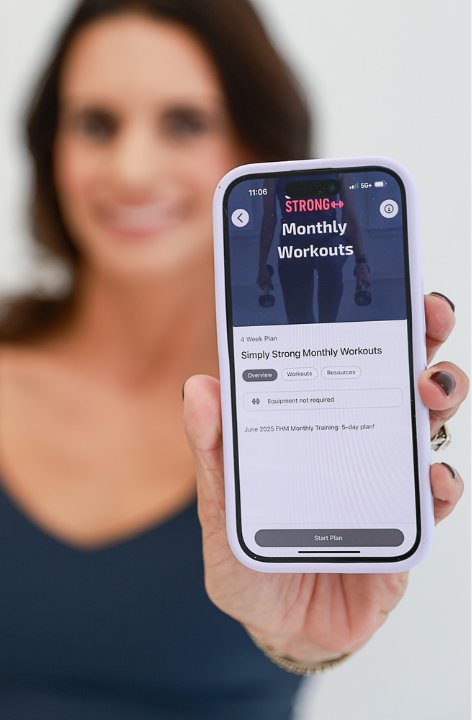
If you’re looking for support during your perimenopause fitness journey, I’d love to welcome you to the Simply Strong App, where you can train with intentionality and join a community of women who are working toward the same goals and are in the same phase of life.