
Quick Summary
Perimenopause changes how your body responds to exercise. This guide covers what changes, why strength training should come first, what your program should include, how to approach cardio and recovery, how lifting supports your hormones, and what a balanced week can look like.
Ah, perimenopause, the time where we feel like we’re starting from square one again as women - learning a new version of our bodies and what works for them. If you’ve entered perimenopause and feel like your workouts aren’t working like they used to, you’re not imagining it.
The fitness routine that once felt effective might now leave you exhausted, sore, and stuck without seeing results. This can be incredibly frustrating, especially when you’re putting in the work.
The thing to understand is that perimenopause is a transition, and your body responds differently during this phase of life. But that doesn’t mean you need to start over or that you’re doomed; it just means that your exercise habits need to shift to work with your changing body, not against it.
Strength training isn’t just a “nice to have” thing in your life; it’s now essential, and I am going to explain to you why!
What Changes During Perimenopause
As we transition into midlife, our estrogen levels begin to drop, and with that, a few things tend to happen:
- Muscle mass starts to decline. Some studies have shown that adults lose 3-8% of lean mass each decade after age 30.
- Bone density takes a big hit. The drop in your estrogen levels means that the skeleton loses its protection, increasing the risk of osteoporosis and fractures.
- Your metabolism slows, and belly fat starts to develop and become more stubborn to lose.
- Recovery becomes slower. You might start to feel less energy, increased soreness, and a decrease in your ability to “bounce back” from workouts or anything strenuous.
These shifts don’t mean that exercise no longer works for you; it just means that it’s time to take a more intentional approach that’s mindful of your changing body.
Weight gain is a big one for many women, and I cover it in the best exercise for perimenopause weight gain.
Why Strength Training Is a Game-Changer During Perimenopause
If there’s one thing to prioritize during perimenopause, it’s strength training.
Let’s talk about some of the major benefits of regular strength training during perimenopause and beyond:
- Preserves and builds lean muscle: The more muscle you have on your frame, the higher your metabolism. The higher your metabolism, the less fat you will gain.
- Improves bone density: Lifting weights places a purposeful load on your bones, which then stimulates bone-forming cells to take action. This process helps to counteract bone loss during menopause.
- Improves stability, mobility, and functionality: The more muscle and overall strength that you have, the better your balance, fewer falls, and more independence you’ll experience.
- Supports mental health and hormone balance: When strength training, your body releases endorphins, improves sleep, and helps to mitigate mood swings - all of which are major concerns during this transitional phase of your life.
- Helps you age gracefully: Rather than just suffering through menopause, you can support your body to stay active, capable, strong, and energetic far into your 50s, 60s, and beyond.
What Your Strength Training Program Should Include
Here’s the thing: not all strength training programs are created equal. Women over 40 need specific training to make the most of their workouts and to feel their best. Your strength training program should include:
- Compound movements with a progressive overload focus: Think the basics - squats, deadlifts, presses, and rows. These moves hit multiple muscle groups at once and drive big changes. But it’s more than that; you also need to be challenging yourself. You can’t keep lifting the same weight forever. You need to apply progressive overload, which is gradually increasing your reps and/or weights over time.
- Unilateral exercises: This is single-sided work that isolates one side of your body at a time. This type of training is critical to correct muscle imbalances, support stability, and help us become more balanced and capable as we age.
- Mobility and core work: Yes, lifting heavy and applying progressive overload is important, but there’s more to the story than that. You also need to be able to move well. Your hip, shoulder, and spine mobility, along with a stabilized core, will take you really far when it comes to longevity and injury prevention.
- Rest days and recovery built in: Ladies, recovery is just as important as your training. You should be getting at least 2 full rest days per week, along with prioritizing sleep, eating adequate protein, and staying hydrated.
For ready-made sessions, try my 30-minute full-body strength workout for perimenopause, plus the arms and legs versions.
Keep Your Workouts Structured
One of the biggest mistakes midlife women make is not following a structured strength training program, instead just jumping from random workout to random workout with no clear plan for progression. Random workouts (you know, the ones you saved on Instagram and TikTok…) can feel really fun and productive, but they make it difficult for your body to adapt and improve.
Instead, focus on:
- Repeating key movements
- Tracking your reps or weights
- Gradually increasing the challenge over time (progressive overload)
This is what allows your body to build strength in a sustainable way.
For most women, successful strength training comes from training 3-4 times per week, following a structured, repeatable program that is conducive to progression over time. The approach doesn’t require long sessions; in fact, a focused 30-45 minute workout session is far more optimal during this stage of life when we already have a thousand other life stresses.
Practical Tips to Get Started
Hopefully, this article will help light a little fire under you to start your strength training journey (p.s. You’re never too late!). Here are some practical tips for getting started:
- Start with weights that are manageable for you now and build your strength from there. Don’t be afraid to be a beginner; there’s nothing to be gained from going too hard and ending up with an injury.
- Maintain a steady protein intake. Muscle repairs and grows when you support it with proper protein intake. Aim for .8-1g of protein per pound of bodyweight or goal bodyweight.
- Track your progress. You should be tracking your weights, reps, and any improvements you see and feel in your training, and then reference that as you move forward in your training journey.
- Focus on consistency. There will always be days or weeks when you are short on time or need to take breaks from training. The most important thing is to jump right back in when you’re able. Consistency will always win, not perfection.
Rethink Cardio
During perimenopause, cardio still has a place, but it shouldn’t be the main focus. Many women rely far too heavily on high-intensity cardio, thinking it’s the key to weight loss, as that’s what we were told for decades. But during this new phase of life, too much intensity can often lead to an increase in stress, which makes recovery so much more difficult.
During perimenopause, we should be focusing on balance, which can look like:
- Lower-intensity movement, like walking, for the majority of our cardio
- Occasional higher intensity sessions if you enjoy them (getting a good sweat in can be amazing!)
- Strength training as your foundation
This approach supports your body without overwhelming it.
Don’t take this message as “strength training is the only form of exercise that matters.” Cardio and other forms of exercise are great, too, and all have their place. Cardio is great for cardiovascular health and enjoyment, but it shouldn’t be your main focus. Add cardio a couple of times per week or simply focus on hitting a daily step goal (I recommend 7-10k steps per day).
Prioritize Recovery
During perimenopause and beyond, recovery becomes just as important as the workout itself. Proper recovery looks like:
- Getting enough sleep (7-9 hours)
- Allow ample rest days each week (at least 2)
- Not pushing through constant fatigue
If you’re in a place where your body always feels tired, sore, or chronically low on motivation, you don’t need more workouts; you need more recovery.
How Strength Training Supports Your Hormones
As you probably already know, your hormones are the chemical messengers in your body that regulate everything from your metabolism to your sleep. Around your mid-thirties and beyond, your hormone levels begin to fluctuate, and with these fluctuations come some of these common scenarios:
- Declining estrogen and progesterone levels (perimenopause and menopause)
- Shifts in testosterone levels, which play a role in muscle maintenance
- Increased cortisol levels due to stress, which can impact fat storage and energy
These shifts in your hormones can lead to fatigue, stubborn weight gain (particularly around your midsection), difficulty building or maintaining muscle mass, and changes in your mood and sleep.
It Supports Your Metabolism
Muscle is a metabolically active tissue, which means it burns calories even when you’re at rest. Strength training helps you preserve and build lean muscle mass, which supports metabolism and stabilizes energy levels.
It Helps You Handle Stress
Regular strength training can help your body handle stress more effectively, lowering chronic cortisol levels over time. This is important because elevated cortisol contributes to fatigue, weight gain, and difficulty with sleeping.
Recovery Matters Here, Too
Don’t forget about recovery; your rest days and sleep are just as important as your workouts for balancing your hormones and feeling your best.
PCOS is a hormone topic of its own, so I wrote a separate guide on strength training for PCOS.
Let Go of the “More Is Better” Mindset
If I had to pinpoint one limiting belief that women over 40 commonly hold, it’s that they think more is automatically better - but this just isn’t the case in perimenopause. I know this can feel contradictory, and you might even be nervous to do less, but at this stage, it’s one of the quickest ways to lead to burnout and frustration. Unless you enjoy putting in a ton of effort only to feel stuck, I wouldn’t take the more route.
The only “more” you should be focusing on is “more efficient.” A more effective approach to fitness in midlife is to train with intention, focusing on quality over quantity and allowing your body time and space to recover and adapt. This doesn’t mean to pull back and do nothing; it simply means you should be very strategic with your training and let go of thinking you’re not doing enough.
What a Balanced Week Can Look Like
So, what does a balanced, strategic approach to perimenopause fitness look like?
- 3-5 strength training sessions per week (30-45 minutes each is more than enough)
- Daily walking or light movement
- 1-2 optional cardio sessions
This routine supports strength, recovery, and overall health without feeling overwhelming and adding fuel to the hormone fire.
The Mindset Shift
Many women in their 40s, 50s, and beyond think of strength training as a way to achieve physique goals; however, I want to re-frame that for you, allowing you to see that it’s actually your health insurance for your next chapter.
Strength training during this phase of life is about being strong, capable, and confident in your body and your ability to maintain your health and functionality as you age. No matter what your current age is right now, your decision to start strength training is about showing up for your future self.
Many of the same principles carry through your 40s and beyond, which I cover in my guide to strength training for women over 40.
Frequently Asked Questions
Is strength training good for perimenopause?
Yes! If there’s one thing to prioritize during perimenopause, it’s strength training. It helps you maintain and build muscle, support your metabolism, improve bone density, and increase your overall strength and stability.
How many days a week should you strength train?
For most women, successful strength training comes from training 3-4 times per week, following a structured, repeatable program that is conducive to progression over time, with at least 2 full rest days each week.
Should you still do cardio?
Cardio still has a place, but it shouldn’t be the main focus. Add cardio a couple of times per week or simply focus on hitting a daily step goal (I recommend 7-10k steps per day).
Is it too late to start?
You’re never too late! Start with weights that are manageable for you now and build your strength from there. Don’t be afraid to be a beginner; there’s nothing to be gained from going too hard and ending up with an injury.
Final Thoughts
If you’ve been confused as to what the best approach is for exercise during perimenopause, understand that it’s not about doing more or doing less; it’s about doing what works for your body in this stage of life and being really intentional about it.
When you follow a structured workout plan, focus on strength, sprinkle in recovery and gentle cardio, you can continue to build strength, support your metabolism, and feel more confident in your body. You don’t need a completely different approach or a special “perimenopause” exercise program - you just need to keep things balanced.
If you’re navigating through perimenopause and beyond and you’ve been wondering how to support your changing body, take this as your invitation to go pick up those weights and start feeling more like yourself again. Start from exactly where you are, show up consistently, follow a program designed for your needs, and watch how your body responds. Your second half of life can be your strongest yet if you start training for it now.
If you’re deciding which app to train with, I compared the most popular options in this guide to the best perimenopause strength training apps.
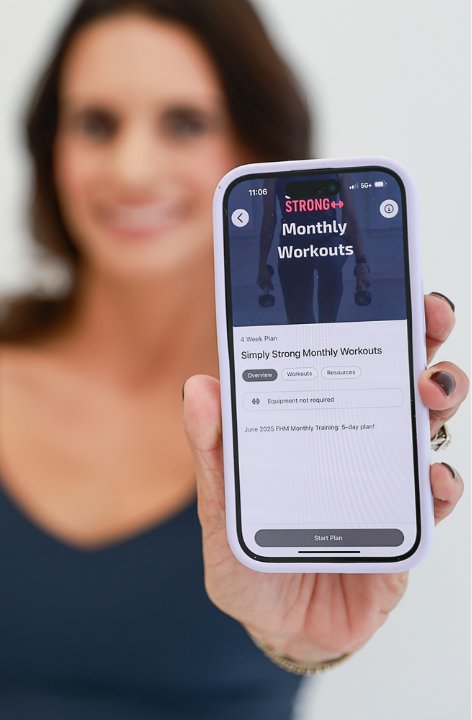
If you’re looking for support during your perimenopause fitness journey, I’d love to welcome you to the Simply Strong App, where you can train with intentionality and join a community of women who are working toward the same goals and are in the same phase of life.